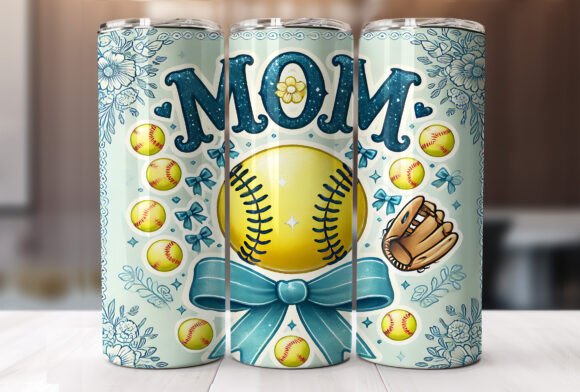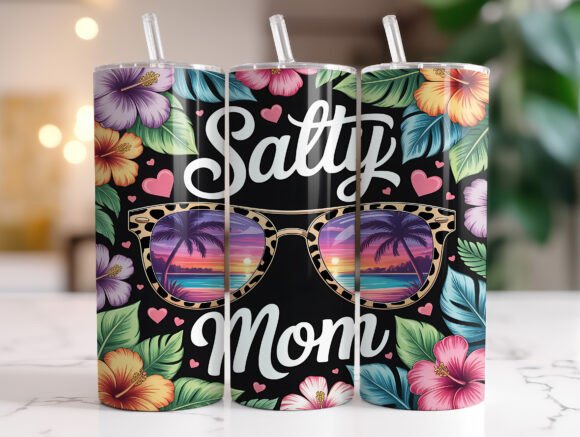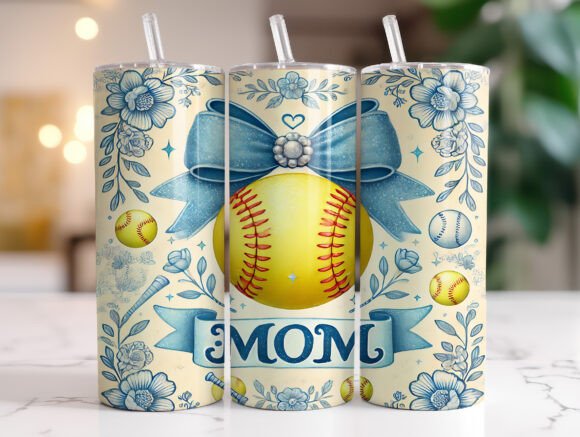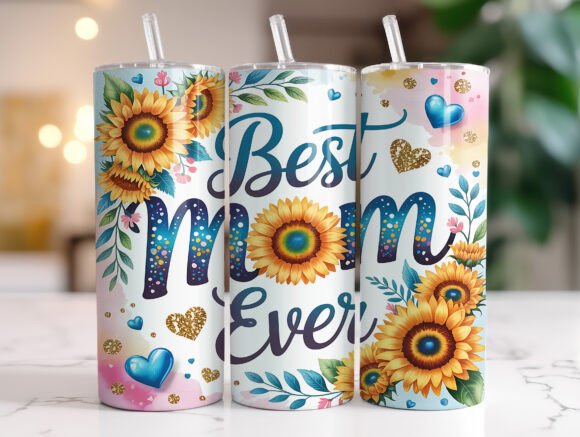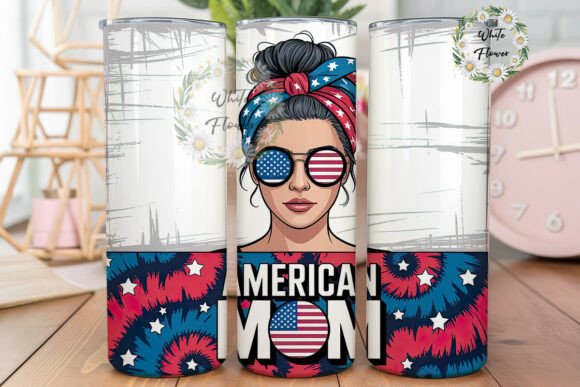
American Mom 20oz Tumbler Design
First Impressions: Warm, Clear, and Ready for Real Life
When I opened American Mom 20oz Tumbler Design, I didn’t see just another digital graphic—I saw a mood. It’s friendly but grounded, patriotic without being loud, and gently nostalgic in a way that resonates with moms who wear their love quietly: on coffee mugs, baby blankets, and aprons stained with flour and affection. The layout feels intentional—balanced, centered, with clear visual hierarchy. No clutter, no forced whimsy. Just clean lines, readable lettering, and space that breathes. That matters more than you’d think when translating to thread.
How It Translates to Embroidery (Spoiler: Better Than Most)
I tested American Mom 20oz Tumbler Design as an embroidery file on a medium-weight cotton tote bag—my go-to test for real-world durability and customer appeal. Stitched at ~3.5” wide (scaled from the provided 93 × 82 dimensions), it held up beautifully. The satin stitch edges stayed crisp, fill areas remained even, and the lettering retained legibility without needing excessive density. It’s not an applique design—it’s built for direct-stitch execution, which means fewer layers, less bulk, and smoother wear on sweatshirts or baby onesies.
This design fits naturally into several high-demand categories: embroidered patches for mom groups, front-embroidered sweatshirts for boutique pop-ups, personalized tea towels for baby showers, and pillow covers for nursery decor. I also used it on a lightweight linen apron—no puckering, no shadowing—thanks to its moderate stitch density and thoughtful spacing. As a holiday embroidery option, it reads warmly on cream-colored knit blankets or embroidered kitchen towels paired with cinnamon-scented gift sets.
Where to Use It Thoughtfully
- Small hoop sizes: At full scale, it’ll likely exceed a 4×4 hoop. Resize down to ~2.75” if stitching on caps or curved surfaces—you’ll lose some fine detail, especially in serif elements.
- Textured or stretchy fabric: Avoid heavy terry cloth or thin jersey without proper cutaway stabilizer. The design has enough structure to hold on stable knits, but not enough forgiveness for high-movement seams.
- Dark fabric: Works well—but test thread colors first. A soft navy or charcoal works better than black for readability. Light gold or cream thread adds quiet elegance without glare.
- Frequent-wash items: Not ideal for toddler bibs or baby bodysuits unless you reinforce with tear-away + cutaway combo stabilizer. The fill areas are dense enough to last, but small details can soften over time on ultra-thin cotton.
What It Does for Your Handmade Product—and Your Customer
American Mom 20oz Tumbler Design elevates perceived value instantly. On a plain canvas tote, it doesn’t scream “mass-produced”—it whispers “thoughtfully made.” That’s critical for Etsy sellers and craft fair shoppers who pay a premium for authenticity. I’ve watched customers pause longer at this kind of stitching: the balanced composition invites eye contact, the theme builds emotional resonance, and the clean execution signals professionalism—not hobbyist guesswork.
For small shop owners building brand consistency, this design anchors a cohesive “mom-focused” collection. Pair it with simple floral motifs or minimalist baby footprints, and you’ve got a recognizable visual language across embroidered patches, tea towels, and personalized gifts. It also performs well in printable mockups—its 300 DPI resolution gives sharp digital previews, helping buyers visualize before purchase. That directly boosts conversion for digital embroidery file sellers.
Practical Designer Notes You’ll Actually Use
- Test on scrap fabric *first*—especially if using textured weaves or blends. Even small variations in tension change how those tapered edges land.
- Check contrast in both black-and-white and color mockups. Some light-on-light combos look flat digitally but stitch beautifully—and vice versa.
- Confirm your hoop size before digitizing adjustments. Since the file comes straight and tapered, choose based on your surface: straight for flat panels (tote fronts, pillow covers), tapered for cylindrical items like tumblers or mugs (though remember—this is a graphics file, not a pre-digitized embroidery file).
- Inspect tiny corners and inner curves. If your machine struggles with tight turns, slightly soften those points manually—or use a slower speed setting.
- Use medium-weight cutaway stabilizer for woven fabrics; add lightweight tear-away on top for extra polish on delicate surfaces like baby quilting cotton.
- Verify licensing terms before selling finished products. This is a digital embroidery file—not automatically cleared for commercial resale unless stated by the creator.
- Compare how it reads on light vs. dark backgrounds in your design software. Subtle shifts in line weight become obvious once stitched.
Final Thought: It’s Not Just a Graphic—It’s a Conversation Starter
I recently stitched American Mom 20oz Tumbler Design onto a cream-colored linen baby blanket for a client’s shower gift. When she unwrapped it, she didn’t just say “it’s pretty.” She said, “It feels like *me*—not too fancy, not too simple, just real.” That’s the quiet power of this design. It doesn’t shout. It connects. And in a crowded market of handmade product and custom apparel, that kind of resonance is rare—and worth every stitch.
If you’re choosing embroidery assets for your craft business, Etsy shop, or personal project, treat American Mom 20oz Tumbler Design as a reliable, emotionally intelligent tool—not just another download. It earns its place on sweatshirts, patches, and personalized gifts because it respects both the maker’s time and the recipient’s heart.