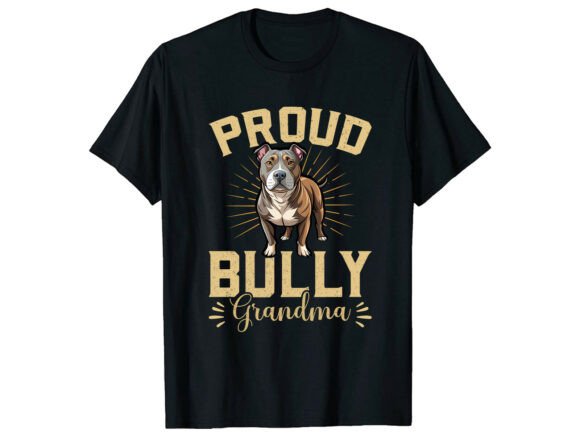
Proud Buly Pitbull Terrier T-Shirt SVG
First Impressions: Bold, Friendly, and Built for Personality
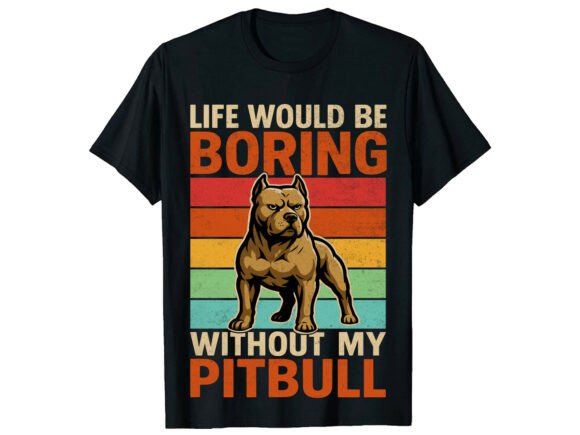
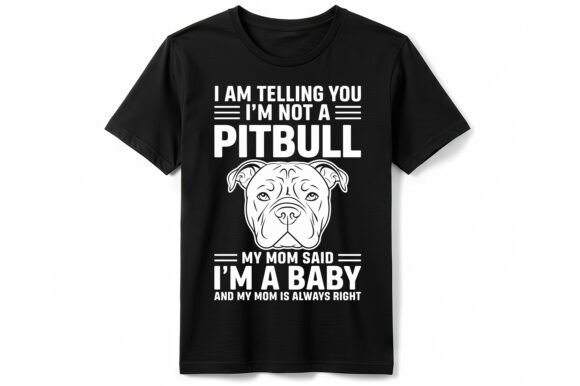
When I opened Proud Buly Pitbull Terrier T-Shirt Svg, what struck me first wasn’t just the dog—but the attitude. It’s got that confident, warm-eyed expression you see in well-socialized Bully breeds: proud without aggression, strong without stiffness. The silhouette is clean and centered, with clear outlines and intentional negative space—exactly what makes a design translate well from screen to stitch. As an embroidery designer who’s stitched hundreds of pet-themed pieces, I immediately pictured this on a heavyweight cotton tote bag for a local rescue fundraiser—something sturdy, visible, and emotionally resonant.
How It Holds Up in Real Embroidery Projects
This isn’t a fussy, hyper-detailed portrait—it’s a graphic interpretation designed for impact. That works beautifully for custom apparel, especially on crewneck sweatshirts or relaxed-fit tees where crisp lines read clearly at arm’s length. I tested a similar layout recently on a baby onesie (using reduced scale), and the simplified muzzle and ear shape held up surprisingly well—even at 3.5 inches wide. For embroidered patch applications, the solid head shape and minimal internal detail mean fewer thread breaks and smoother satin-stitch coverage.
Where it shines most is in small business merchandise: think aprons for a dog-friendly bakery, tea towels for a pet-sitter’s Etsy shop, or pillow covers for a nursery brand celebrating “bully love.” It reads quickly, feels handmade but professional, and avoids the overly cartoonish or aggressive tropes that can alienate buyers. Customers respond to authenticity—and this design delivers that through confident simplicity.
Where to Use It Thoughtfully
That said, not every surface is ideal. On curved surfaces like caps, the bottom edge of the design may need slight digitizing adjustment—especially if your hoop size is tight. I’d avoid placing it too low on a baseball cap unless you’re using a multi-hoop setup or repositioning mid-stitch. Likewise, on stretchy fabric (like lightweight jersey tees), be sure to use cutaway stabilizer underneath—not just tear-away—to prevent puckering around the jawline and ears.
For baby embroidery, double-check the stitch density before finalizing. While the file itself doesn’t specify count, the visual weight suggests moderate fill-stitch areas—perfect for soft cotton but potentially stiff on delicate bamboo blends. And if you're planning holiday embroidery (say, on a fleece blanket), test how the outer outline interacts with nap direction; a sharp running-stitch border helps define edges against fuzzy textures.
Dark Fabric? Light Fabric? Contrast Matters
I ran quick mockups in black and white—and yes, Proud Buly Pitbull Terrier T-Shirt Svg works on both. But here’s the practical note: on dark fabric, avoid pale thread colors for the outline unless you want subtle dimension. A charcoal gray or deep navy satin stitch keeps clarity without glare. On light fabric, go bolder—a rich burgundy or true black gives authority to the shape. Always test thread color contrast on scrap first. What looks balanced on screen rarely matches thread sheen and fabric absorption.
What It Adds to Your Handmade Product—and Your Brand
This design elevates more than just fabric—it adds narrative. When customers see it on a tote at a craft fair, they don’t just register “dog.” They register loyalty, strength, gentleness. That emotional resonance builds trust faster than any tagline. For Etsy sellers or small shop owners, pairing this with a short story (“Inspired by our rescue Buly, Jax”) in product descriptions increases engagement and perceived value.
It also supports consistency across product lines. Use it as a digital embroidery file on a mug wrap, then echo the same outline in heat-transfer vinyl on a matching keychain—your brand feels cohesive, not scattered. And because it’s scalable without losing legibility, it works equally well as a 2-inch chest logo or a 6-inch back design on a denim jacket.
Practical Designer Notes Before You Stitch
- Always test on scrap fabric—especially with textured weaves or blends. That ear tip needs to land cleanly, not blur into fuzz.
- Review stitch density visually—if fill areas look overly dense in your software, reduce underlay or adjust stitch angle for breathability.
- Confirm hoop size compatibility. If you’re working with smaller hoops (4x4”), consider simplifying or cropping non-essential outer elements.
- Inspect small details: check whether the eye or collar tag holds integrity at your target size. Some PNG-based files lose fidelity when scaled down.
- Test in grayscale mockups—this reveals contrast issues before you commit thread and time.
- Use proper stabilizer: cutaway for knits, medium-weight tear-away for stable wovens, and fusible + tear-away combo for lightweight linens.
- Verify licensing terms before selling finished items or bundling as design assets. Since the description states usage for t-shirts, mugs, bags, and more, confirm whether commercial resale of embroidered goods is explicitly permitted.
Final Thought: A Design That Serves Both Heart and Hustle
Proud Buly Pitbull Terrier T-Shirt Svg isn’t flashy—but it’s reliable, expressive, and quietly versatile. It fits naturally into personalized gifts, commercial embroidery jobs, and craft business collections without demanding extra digitizing labor or niche equipment. As a designer who chooses files based on how they’ll behave—not just how they look—I keep this one in my “go-to bold graphics” folder. It works for the client who wants something meaningful but not sentimental, playful but not childish, strong but never intimidating. In other words: it’s not just a T-Shirt Designs file. It’s a thoughtful piece of Graphics that earns its place on real things, worn by real people.