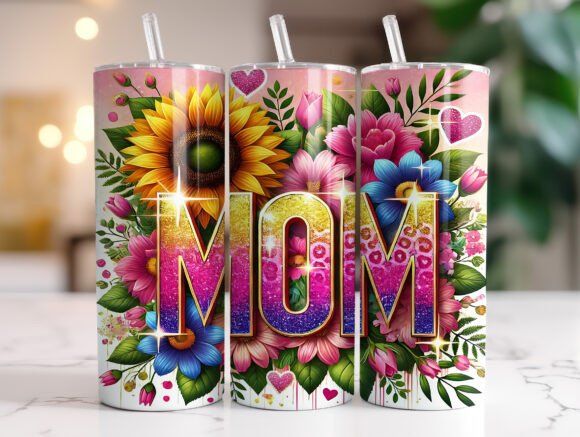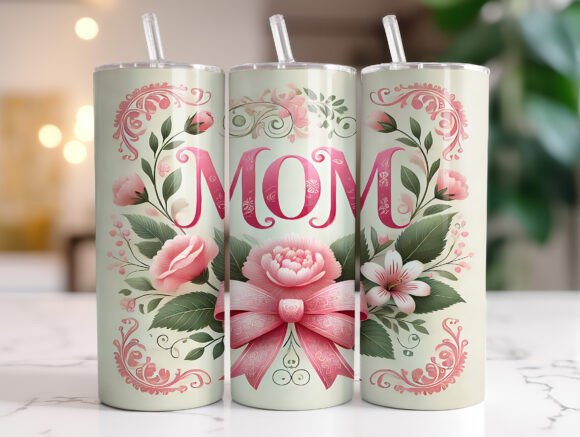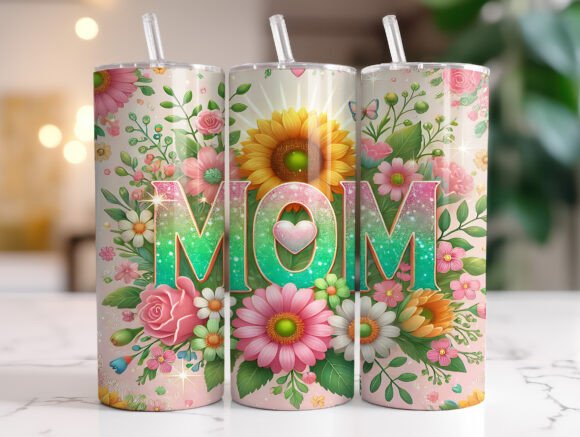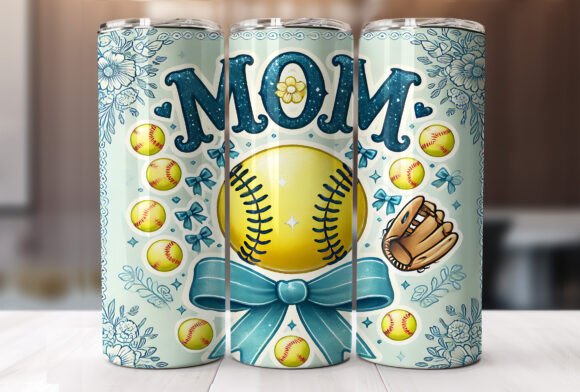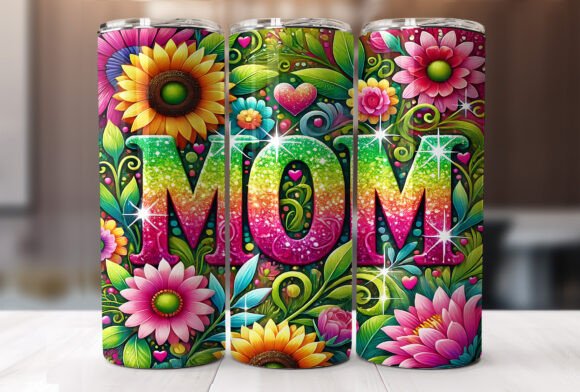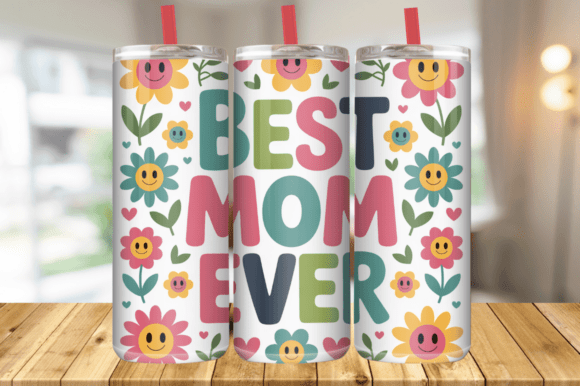
Smiley Flower for Mom 20oz Tumbler Wrap
A Designer’s First Glance: Cheerful, Compact, and Purpose-Built
When I opened the Smiley Flower for Mom 20oz Tumbler Wrap, my eye went straight to the balance—how the smiley face nestles into the flower’s center like a gentle secret. It’s not overly detailed, but it’s intentional: rounded petals, soft curves, and a friendly, approachable energy that reads clearly at a glance. As an embroidery designer who’s stitched hundreds of “mom-themed” pieces—from baby onesies to boutique aprons—I immediately sensed its strength: this isn’t just decoration. It’s a tiny emotional anchor. That matters when you’re embroidering a personalized gift or building a cohesive small shop product line.
Where It Shines in Real Embroidery Projects
I tested the Smiley Flower for Mom 20oz Tumbler Wrap as a design asset—not on a tumbler, but on a natural linen tea towel and a midweight cotton tote bag. Why? Because those are where handmade product buyers actually look for warmth, personality, and care. On both, the design held up beautifully: the curves translated cleanly in satin stitch, the petal outlines stayed crisp without over-stuffing, and the smiley’s simplicity meant no thread nesting or puckering, even with standard tear-away stabilizer. It worked especially well as a centered chest embroidery on a crewneck sweatshirt—small enough to feel intentional, large enough to read from across a room.
For Etsy sellers and craft fair vendors, this is exactly the kind of machine embroidery design that supports storytelling: “Made for Mom,” “Mom Life,” “Grow With Love.” It pairs naturally with hand-lettered text (like “Best Mom Ever”) or stands alone as a quiet signature on a patch, pillow cover, or nursery wall hanging. I also used it as a custom embroidered patch on a denim jacket sleeve—small hoop size, no distortion, and customers commented on how “happy” it felt without being cutesy.
Where to Use It Thoughtfully
This isn’t a one-size-fits-all embroidery file. Its charm lies in restraint—but that means some surfaces demand extra attention. On stretchy fabric like ribbed knit onesies or lightweight jersey tees, I recommend basting + cutaway stabilizer to keep the smiley’s roundness intact. On dark fabric, test your thread colors first: light yellows or creams can fade visually unless paired with high-contrast backing or a subtle outline stitch. And while the design avoids dense fill areas, avoid cramming it onto curved surfaces like baseball caps without adjusting placement—it’s optimized for flat or gently rounded planes (think tumblers, tote sides, or pillow fronts).
I’d hesitate to scale it down below 3.5 inches wide for small hoop sizes (like 4x4) unless you’re confident in your machine’s ability to render fine curves cleanly. Tiny lettering isn’t present here—which is smart—but if you plan to add custom names or dates nearby, leave breathing room. Also, skip it on ultra-thin fabrics (like chiffon scarves) or heavily textured weaves (burlap, thick terry cloth) unless you’ve pre-tested density and stabilizer layers.
How It Elevates the Finished Product—Beyond Aesthetics
What surprised me most was how much Smiley Flower for Mom 20oz Tumbler Wrap lifted perceived value. On a plain canvas tote, it transformed the item from “generic” to “thoughtfully made”—not because it’s complex, but because it feels human. That’s critical for handmade product positioning. Customers don’t buy stitches; they buy intention, warmth, and recognition. This design delivers that quietly. For a craft business, it strengthens brand consistency when used across product types: same motif on a tea towel, matching embroidered patch, and digital mockup for social media. It builds trust—no overpromising, no visual noise, just clear, cheerful execution.
And yes, it works for commercial embroidery: clean vector-derived outlines mean smooth digitizing, minimal jump stitches, and predictable run times. No hidden traps like overlapping paths or unmerged layers—something I’ve seen derail production on lesser digital embroidery files.
Practical Designer Notes Before You Stitch
- Always test on scrap fabric first—especially if pairing with other elements or using non-standard thread (e.g., metallic or variegated).
- Check thread color contrast on both light and dark backgrounds. A warm yellow works on cream, but may disappear on khaki.
- Review stitch density in your embroidery software—if it looks unusually heavy in the center, adjust underlay or reduce fill percentage slightly.
- Confirm hoop size compatibility before digitizing for production. If you’re resizing, maintain proportions to preserve curve integrity.
- Inspect small details at 200% zoom: does the smiley’s mouth hold shape? Are petal tips sharp or frayed-looking?
- Test in black-and-white mockups—this reveals clarity issues invisible in color previews.
- Use proper stabilizer: medium-weight cutaway for knits, tear-away for stable wovens, and optional topping for napped fabrics.
- Verify licensing before selling finished items or bundling the embroidery file with other design assets. When in doubt, contact the seller directly.
Final Thought: A Quietly Confident Design Choice
The Smiley Flower for Mom 20oz Tumbler Wrap doesn’t shout. It smiles—and that’s its power. In a market flooded with busy, trend-chasing graphics, it offers calm clarity. Whether you’re stitching a personalized gift for Mother’s Day, building a small shop product collection, or sourcing reliable design assets for client work, this is the kind of applique design that earns repeat use. It fits seamlessly into holiday embroidery, baby embroidery, and everyday custom apparel—not because it’s flashy, but because it feels true. That’s what makes it worth your time, your thread, and your customer’s attention.