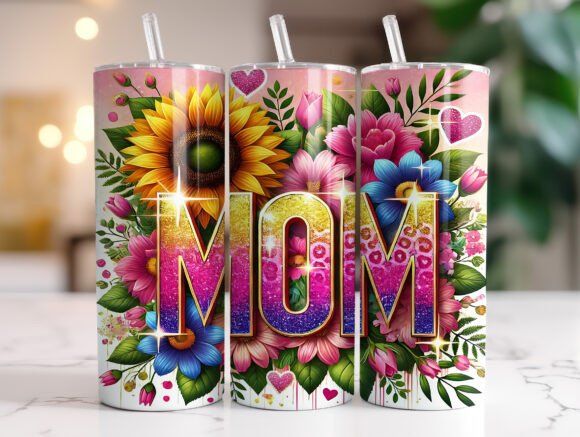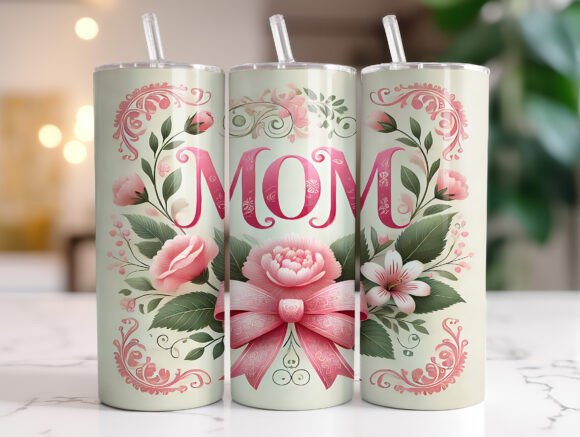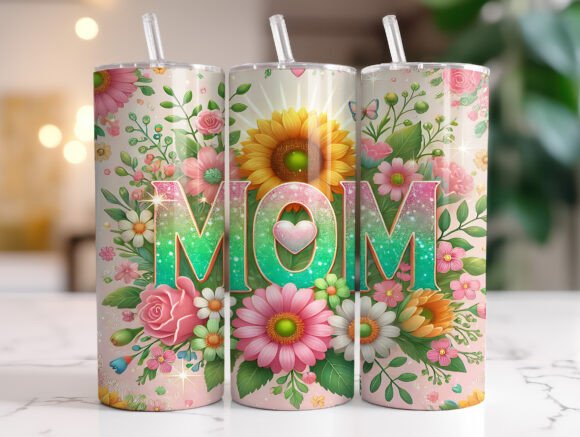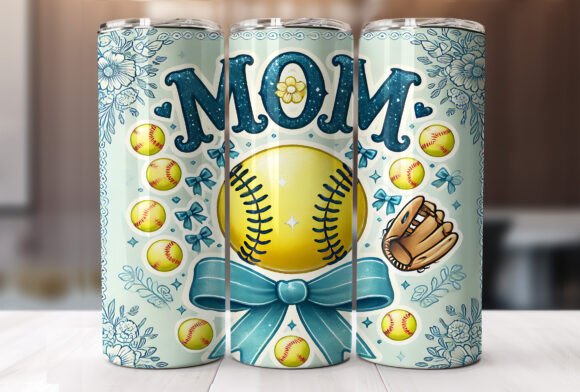
Trap Shooting Mom 20oz Tumbler Wrap
As a designer who’s stitched hundreds of custom pieces—from boutique baby onesies to Etsy best-selling tote bags—I opened Trap Shooting Mom 20oz Tumbler Wrap expecting something playful and niche. What I found was a surprisingly versatile, well-proportioned graphic that reads clearly at a glance but holds up under close inspection—exactly what you want when turning digital into handmade.
A Design That Feels Like a Conversation Starter
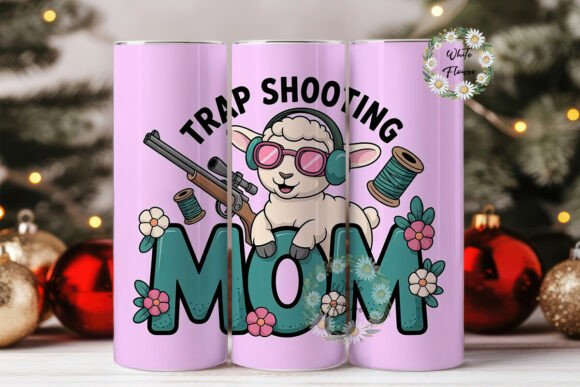
The first thing that stands out is its confident simplicity: bold lettering balanced with clean iconography (a shotgun, maybe a clay target), all arranged in a vertical flow that fits naturally on a curved surface like a tumbler—but also translates beautifully to flat embroidery zones. It doesn’t shout; it smiles knowingly. That’s rare for themed designs, which often tip into cliché or visual clutter. Here, the spacing feels intentional—not cramped, not empty—and the implied motion in the composition gives it energy without sacrificing legibility.
I immediately pictured it stitched onto a heavyweight cotton apron for a local shooting range’s gift shop. Or on the chest of a relaxed-fit unisex sweatshirt for a mom-focused outdoor apparel line. Not just “for moms who shoot,” but for anyone who values wit, authenticity, and quiet confidence in their gear.
How It Performs Across Real Embroidery Projects
Trap Shooting Mom 20oz Tumbler Wrap isn’t built for tiny hoops or ultra-fine detail work—it’s designed for impact. That means it shines brightest on mid-to-large embroidery zones: the front of a canvas tote bag, the back panel of a denim jacket, or centered on a linen tea towel. On sweatshirt embroidery, the vertical layout avoids the “squished” look that horizontal slogans often get on ribbed fabric.
For baby embroidery? Use caution. The theme is adult-coded, so while it could work on a parent’s matching onesie set (think “Mom & Mini Marksman”), it wouldn’t suit infant-only items. As an embroidered patch? Absolutely—especially if heat-applied or sewn onto a utility vest or range bag. The taper option mentioned in the description suggests thoughtful adaptation for curved surfaces, which tells me the designer considered real-world application, not just screen display.
Holiday embroidery? Yes—if your audience leans toward dry humor and personalized gifts. Imagine it stitched onto a cozy flannel pillow cover as a Christmas present for the mom who’d rather be at the trap line than the cookie exchange. Boutique branding? It adds character without overwhelming—pair it with minimalist typography on a hang tag or packaging sticker.
Where to Proceed With Intention
This isn’t a design for stretchy performance fabrics unless stabilized heavily—it lacks the forgiving open areas or strategic running-stitch breaks that help embroidery breathe on knit blends. On thin fabrics like lightweight chambray or baby jersey, test stitch density first: dense fill stitches could cause puckering or stiffness. Dark fabric works well—especially with high-contrast thread choices—but avoid overly glossy threads that compete with the graphic’s matte-friendly aesthetic.
Curved surfaces like caps require careful hooping and possibly repositioning of the tapered file. Don’t assume automatic alignment—the “not seamless” note means edges won’t tile or wrap invisibly, so centering matters. Tiny corners (like on a pocket or narrow cuff) aren’t ideal either; those fine lines and tight curves need breathing room to read cleanly after stitching.
What It Adds to Your Finished Product
When executed well, Trap Shooting Mom 20oz Tumbler Wrap elevates perceived value—not because it’s flashy, but because it signals intention. Customers notice when a design feels *designed*, not dropped in. That builds trust, especially for Etsy sellers and craft fair vendors where handmade presentation directly affects buyer engagement.
It strengthens brand consistency for small shops focused on lifestyle storytelling—think “outdoor moms,” “women-led shooting communities,” or “functional fashion with personality.” And for personalized gifts? It delivers recognition without being generic. A recipient sees it and thinks, “They *get* me”—which is the quiet magic of great embroidery design.
Practical Notes Every Embroidery Designer Should Run Through
- Test first—always stitch a sample on scrap fabric matching your final project’s weight and texture.
- Check thread color contrast—this design relies on clarity, not subtlety. Avoid low-contrast combos like light gray on heather charcoal.
- Review stitch density—if your machine allows, preview the fill stitch coverage. Too dense = stiff fabric; too sparse = weak definition.
- Confirm hoop size—the 9.3 x 8.2 in sizing means it’ll likely need a 5x7 hoop minimum, possibly larger depending on your machine’s throat space.
- Inspect small details—zoom in on letter terminals and icon edges. Are they sharp enough for satin stitch definition? Or do they need slight cleanup before digitizing?
- Mock it up in black and white—to verify readability without color bias.
- Compare light vs. dark backgrounds—some elements may need subtle shadow or outline adjustments depending on fabric.
- Use appropriate stabilizer—medium-weight cutaway for stable fabrics, tear-away for lighter weaves.
- Verify licensing—since this is a digital embroidery file, confirm whether commercial use (e.g., selling finished embroidered products or reselling the design) is permitted before listing on Etsy or in your shop.
At its core, Trap Shooting Mom 20oz Tumbler Wrap isn’t just another themed graphic—it’s a quietly confident piece of design assets that earns its place on real products. It respects the craft, supports the maker, and connects with people who appreciate authenticity over ornamentation. If you’re curating embroidery project options for your craft business or personal collection, this one deserves a spot—not because it’s trendy, but because it’s thoughtfully built to last beyond the first stitch.