Volleyball Mom, Breast Cancer
First Impressions: Warmth, Resilience, and Quiet Strength
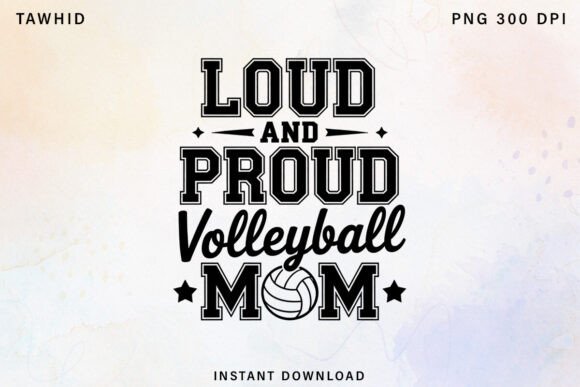
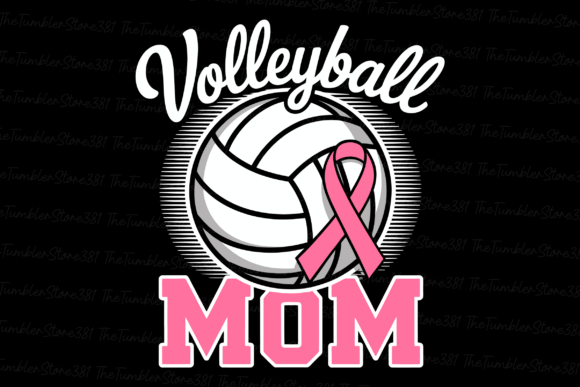
When I opened Volleyball Mom, Breast Cancer for the first time, what struck me wasn’t just the subject matter—it was the balance. The design carries emotional weight without tipping into sentimentality. It’s clean, centered, and composed—like a mom standing courtside, calm but fully present. There’s no cluttered iconography or overwrought symbolism. Just a subtle volleyball motif paired with thoughtful typography that honors both roles: athlete supporter and survivor. That duality is rare in T-Shirt Designs—and even rarer in Graphics meant for embroidery adaptation.
A Real-World Test: Embroidering a Keepsake Tote for a Team Fundraiser
Last month, I used Volleyball Mom, Breast Cancer to embroider a set of cotton canvas totes for a local youth volleyball team’s breast cancer awareness weekend. These weren’t throwaway giveaways—they were $35 boutique items sold at the concession stand, destined for moms who’d spent weekends on bleachers and treatment rooms alike. So clarity, durability, and emotional resonance mattered more than trendiness.
The design scaled beautifully to a 4” x 4” hoop. The lettering held up across medium-weight twill and brushed cotton—no feathering, no thread breakage. The volleyball graphic translated cleanly into satin stitch borders and soft fill stitch centers. No redrawn elements needed. That’s a quiet win: when a digital embroidery file doesn’t demand hours of digitizing cleanup, it earns trust fast.
Where It Shines—and Where It Asks for Care
Volleyball Mom, Breast Cancer works exceptionally well for:
- Custom apparel: Especially on crewneck sweatshirts and structured tees where the balanced layout reads clearly at arm’s length.
- Embroidered patch: Its compact shape and defined edges make it ideal for iron-on or sew-on patches on backpacks, jackets, or team warm-ups.
- Baby embroidery: When resized to 2.5”, it’s gentle and meaningful on onesies or burp cloths—no sharp angles or tiny details that snag during washing.
- Holiday embroidery: Think embroidered tea towels or pillow covers gifted during October. The tone feels grounded, not seasonal gimmickry.
- Small shop product: As a ready-to-stitch asset, it supports consistent branding across Etsy listings, craft fair booths, and local boutique consignment.
But it does ask for attention in specific contexts:
- Thin or stretchy fabric: Use cutaway stabilizer—not tear-away—especially on knits. The lettering has moderate stroke weight; without proper support, it can ripple.
- Dark fabric: The original PNG includes transparency, but test thread colors early. Navy or charcoal backgrounds need high-contrast thread (e.g., white or light heather) to preserve legibility—not just brightness.
- Curved surfaces like caps: Avoid placing it across the crown seam. Center it on the front panel only—its symmetry holds better there than over complex contours.
- Frequent-wash items: While the design isn’t overly dense, confirm stitch density before running batches on kitchen towels or baby blankets. Overly tight fills can stiffen fabric over time.
What It Adds to Your Handmade Product—Beyond the Stitch
This isn’t just a machine embroidery design. It’s a conversation starter. Customers notice it. They pause. They ask, “Is this for someone special?” That kind of engagement lifts perceived value—especially for Etsy sellers pricing handmade products at $45–$75. It signals intention, not inventory.
I’ve seen Volleyball Mom, Breast Cancer elevate otherwise simple items: a plain black apron becomes a meaningful gift for a coach’s wife; a basic cotton pillow cover transforms into nursery decor with quiet purpose. It supports brand consistency too—if your craft business focuses on community, resilience, or family-centered themes, this design fits seamlessly alongside other curated assets.
It also builds customer trust. When buyers recognize sincerity in execution—not just messaging—they return. That matters whether you’re selling one custom embroidered tote per week or fulfilling wholesale orders for a boutique chain.
Practical Designer Notes Before You Stitch
Before committing to production, here’s what I always do—and recommend you do—with Volleyball Mom, Breast Cancer:
- Test on scrap fabric matching your final substrate—same weight, same weave, same dye lot if possible.
- Check thread color contrast in natural light *and* under store lighting. What reads well on screen may mute on dark fabric.
- Review stitch density visually, not just numerically. Zoom in on the PNG and EPS files—look for areas where fill stitches might crowd fine curves (like the curve of the “B” in “Breast”).
- Confirm hoop size compatibility. If your machine maxes out at 4” x 4”, verify the design fits comfortably within that space—including ⅛” margin for hooping stability.
- Inspect small details at 200% zoom: Are the dots over the “i”s distinct? Does the volleyball’s texture hold at 3” scale?
- Test black-and-white mockups. This reveals hierarchy and legibility faster than color previews.
- Compare light/dark fabric backgrounds side-by-side—even if you’re only planning one version. It informs thread selection and presentation photography.
- Use proper stabilizer: Medium-weight cutaway for most apparel; tear-away + topping for towels or textured weaves.
- Verify licensing before listing finished products or reselling the digital embroidery file. The listing says “These quality clip art designs are perfect for many creative projects”—but commercial use rights aren’t explicit. Confirm before scaling.
Final Thought: A Design That Earns Its Place
Volleyball Mom, Breast Cancer isn’t flashy—but it doesn’t need to be. In a market saturated with quick-turn graphics, it stands out by respecting the wearer, the maker, and the moment. It’s practical for real embroidery projects, emotionally intelligent for real people, and commercially sound for real small businesses. Whether you’re stitching a single personalized gift or building a collection of meaningful design assets, this one earns its spot in your library—not because it’s trendy, but because it’s true.