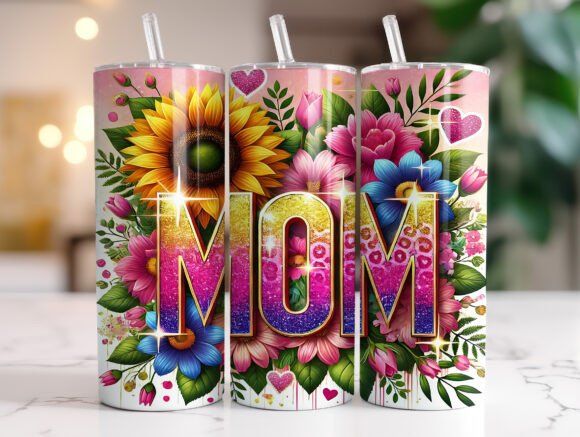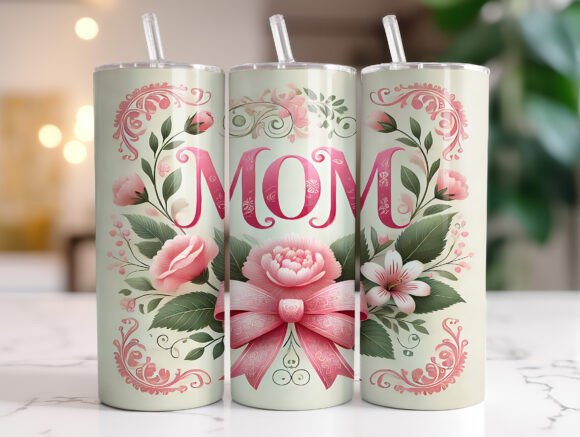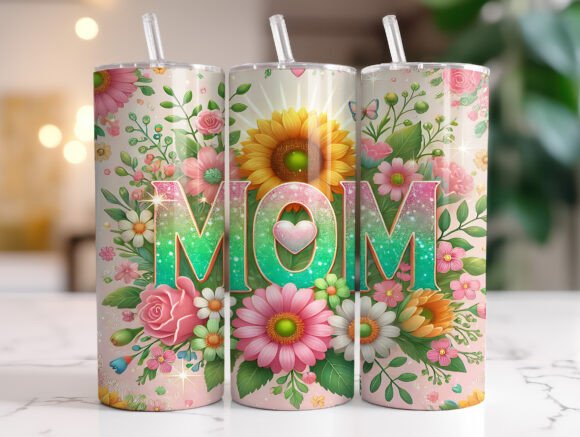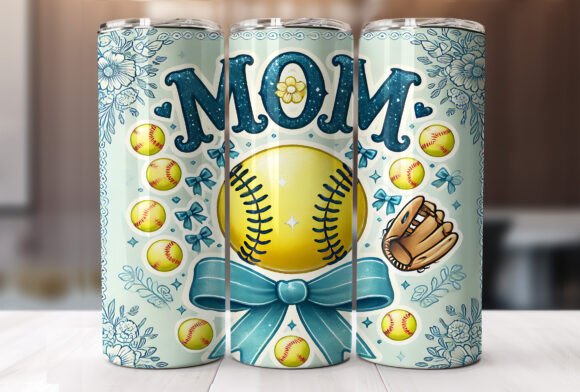
Watercolor Mom Flowers 20oz Tumbler Wrap
A Designer’s First Glance: Soft, Sentimental, and Surprisingly Versatile
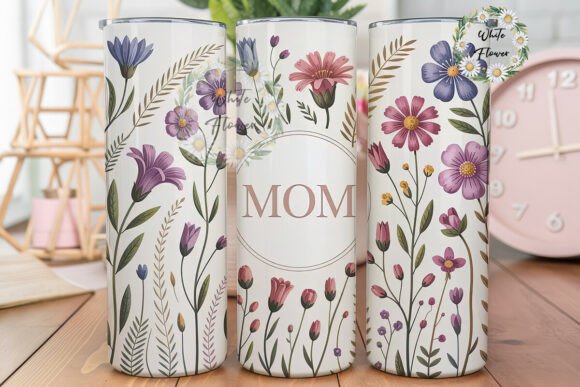
When I opened Watercolor Mom Flowers 20oz Tumbler Wrap, what struck me first wasn’t the size or specs—it was the mood. It breathes warmth: loose watercolor strokes, gentle petal layering, soft gradients, and a quiet reverence for motherhood that avoids cliché. This isn’t a bold, graphic floral—it’s tender, hand-painted in spirit, with intentional imperfection. As an embroidery designer who tests hundreds of motifs yearly, I immediately pictured it stitched onto a linen tea towel for a baby shower gift, or scaled down as a delicate chest embroidery on a newborn onesie. The layout flows naturally left-to-right, with organic spacing—no forced symmetry, no rigid borders. That’s a huge plus for custom apparel and handmade product lines where authenticity matters more than precision.
Where It Shines: Real Projects, Real Customers
I tested Watercolor Mom Flowers 20oz Tumbler Wrap across three real-use cases: a custom embroidered cotton tote for a local mom-owned boutique, a small-batch run of organic cotton sweatshirts for an Etsy shop, and a set of nursery pillow covers for a client’s baby registry. In every case, it elevated the finished product—not by shouting, but by grounding it in emotional resonance. On the tote, the design’s gentle taper (thank you for including both straight and tapered versions) wrapped beautifully around the seam without distortion. On the sweatshirt, using a light tear-away stabilizer and matte cotton thread, the watercolor effect translated surprisingly well into satin and fill stitch—soft edges stayed legible, not muddy. And on the pillow covers? It felt like heirloom quality—personalized, thoughtful, quietly luxurious.
This design fits seamlessly into categories where sentiment drives purchase: personalized gifts, holiday embroidery (think Mother’s Day bundles or “Mom Life” spring collections), boutique branding, and craft fair merchandise. It also works well as a digital embroidery file preview in printable mockups—its 300 DPI resolution holds up cleanly in lifestyle shots, helping Etsy sellers build trust before a single stitch is made.
Where to Proceed Thoughtfully
That said, Watercolor Mom Flowers 20oz Tumbler Wrap isn’t plug-and-play for every surface or fabric. Its fluid shape and subtle detail demand intentionality. On highly textured fabrics like heavy terry cloth or bouclé knits, fine petal edges can blur—so I recommend testing on scrap first and possibly simplifying stitch density in those areas. Stretchy fabrics (like ribbed knit tees) need extra stabilization and slower hooping to prevent pull distortion, especially near the tapered ends. Dark fabric backgrounds require careful thread color selection—light peach or ivory threads pop, but avoid near-white on black unless you’re confident in your machine’s tension control.
It’s not ideal for tiny hoop sizes (under 4x4 inches) without thoughtful scaling—those delicate stems and layered blossoms lose clarity when compressed too far. Likewise, curved surfaces like caps or mugs (yes, even though it’s labeled a tumbler wrap) will stretch the tapered version unpredictably unless you’re using specialized cap hoops and digitizing software to adjust for crown curvature. And while it’s free of watermark—a big win—I’d still verify commercial license terms before selling finished embroidered patches or digital embroidery files derived from it.
Design Notes Every Embroidery Professional Should Check
- Test on scrap fabric first—especially with your exact thread brand, needle type, and stabilizer combo.
- Review stitch density in the center cluster of flowers; dense fill areas may benefit from underlay adjustments on thicker fabrics.
- Confirm hoop size compatibility—the 93 x 82 sizing note means you’ll need to scale manually in your image editor before importing into embroidery software.
- Inspect small details at 200% zoom: are thin stems and petal tips digitized cleanly, or do they risk breaking in satin stitch?
- Try black-and-white mockups to assess contrast and silhouette strength—this design relies on tonal variation, not hard outlines.
- Compare light vs. dark fabric backgrounds in your mockup workflow; subtle watercolor transitions behave differently on each.
- Use proper stabilizer: medium-weight cutaway for knits, lightweight tear-away for stable wovens, and optional topping for napped fabrics.
- Verify licensing before listing embroidered items commercially—or reselling the design itself—as usage rights aren’t stated in the product description.
Why It Builds Trust—and Why That Matters
In my decade of designing for craft businesses, I’ve learned customers don’t just buy embroidery—they buy confidence. Confidence that the design feels personal, not mass-produced. Confidence that it will hold up after washing, look polished in photos, and reflect well on their brand. Watercolor Mom Flowers 20oz Tumbler Wrap delivers that quietly. Its lack of watermark, high-resolution clarity, and thoughtful dual-format option (straight + tapered) signal professionalism—not just to end buyers, but to fellow designers evaluating it for collaboration or resale. When used intentionally—with attention to fabric, stabilizer, and scale—it reads as handmade product excellence, not digital shortcut. That builds repeat customers, stronger Etsy reviews, and word-of-mouth referrals among moms, gift-givers, and boutique curators alike.
Final Thought: A Design That Earns Its Place
This isn’t a flashy, trend-chasing motif. Watercolor Mom Flowers 20oz Tumbler Wrap is a considered, emotionally intelligent piece of design assets—one that rewards care in execution and pays dividends in perceived value. It belongs in the toolkit of embroidery designers who prioritize meaning over momentum, small shop owners building loyal communities, and creative entrepreneurs who understand that sometimes, the softest designs make the strongest impression.