Nacho Average Joe Mexican Retro PNG Embroidery Review
As a designer who spends most days elbow-deep in thread, stabilizer, and digital files, I’ve learned to look at a design not just for what it shows but for what it asks of a needle and fabric. When I first pulled up the Nacho Average Joe Mexican Retro PNG, I immediately smiled. It’s the kind of bold, unapologetic humor that sells itself — a retro-inspired Cinco de Mayo pun that feels both playful and giftable. But the real question for any embroidery designer or small business owner is: how does this graphic actually behave when you’re planning a stitched project, not just a screen printed tee?
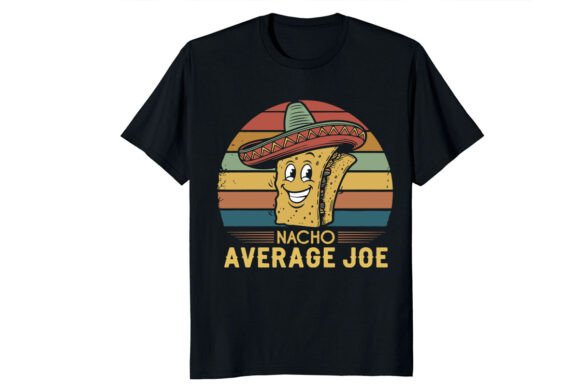
I saw the file sitting in my downloads and mentally placed it on a natural canvas tote bag, the kind I’d bring to a spring market. The lettering, likely a chunky serif with a slight curve, carries that vintage cantina vibe. The phrase “Nacho Average Joe” is a clever twist on a well-known idiom, and the word “Mexican” in the title hints at a south-of-the-border flair — maybe a tiny sombrero, a jalapeño, or a banner detail. For an embroidery designer, this is a design that promises strong visual punch and customer recognition within seconds. That’s a huge plus when you’re selling handmade goods at a craft fair or listing on Etsy.
First Thread: What the Design Feels Like Before You Stitch
The mood of Nacho Average Joe Mexican Retro PNG is warm, nostalgic, and laugh-out-loud funny without trying too hard. I can see it on a faded mustard sweatshirt, or stitched in bright red and green on a natural linen apron. The retro typography suggests a design that originated in the world of T-Shirt Designs and Graphics, but as an embroidery evaluator, I’m less concerned with its original medium and more with how its shapes translate into stitches. The file is a PNG, so it’s a raster image — meaning you’ll need to vectorize or manually digitize it before any machine embroidery happens. That’s not a drawback; it’s a standard step for most digital design assets. What matters is whether the visual personality holds up once you turn it into a stitch file.
I imagine setting up a custom embroidered patch for a dad’s birthday gift. The design’s humor is universal, but the “Joe” in the phrase makes it feel personal, almost like a nickname. A customer could easily request a version with their own name, but even as-is, it works as a gag gift for a spouse, a boyfriend, or a friend who loves Mexican food and sarcasm. The retro element softens the joke, making it suitable for a range of products from baby onesies (yes, I’ve embroidered punny phrases on baby clothes) to kitchen towels and caps.
Embroidery Muscle: How the Design Performs on Real Fabric
When I evaluate a graphic for embroidery, I mentally break it down into stitch types. The Nacho Average Joe Mexican Retro PNG likely features thick, bold lettering — that’s a perfect candidate for a satin stitch border with a fill stitch interior. The retro curves and any small decorative elements (like a chili pepper or a tiny star) might need a running stitch for fine detail. If the file includes a background shape or a banner, you’ll want to consider how that interacts with the fabric texture. On a flat weave like a cotton tote or a sweatshirt, the design will sit cleanly. On a stretchy baby rib knit, you’ll need extra care with stabilizer and perhaps a lower stitch density to avoid puckering.
I’ve learned the hard way that designs with very small text or intricate outlines can disappear on dark fabric. If the PNG has thin lines, I’d test a mockup on a black background in my digitizing software first. The contrast between thread and fabric is everything. For the retro vibe, I’d lean into a palette of burnt orange, chili red, avocado green, and cream — colors that feel authentically Mexican and offset the humor with a touch of heritage. If you’re creating a line of boutique products, this design could be your signature piece for Cinco de Mayo or a summer fiesta collection.
Where This Design Shines and Where You Need to Be Careful
After years of running a small embroidery business, I know that not every design belongs on every product. The Nacho Average Joe Mexican Retro PNG is a natural fit for:
- Custom apparel like sweatshirts, t-shirts, and hoodies — especially as a left-chest or full-front design.
- Tote bags and canvas pouches for a market-ready handmade product.
- Embroidered kitchen towels and aprons, perfect for a hostess gift or a Cinco de Mayo party.
- Patches that can be sewn onto denim jackets or caps for a retro streetwear look.
- Pillow covers and throw blankets for a humorous home accent.
But there are projects where I’d tread lightly. If the design has very fine details — like a tiny chili pepper outline or a small serif on the letters — those might close up or become messy on a small hoop size. I’d avoid using this design on anything smaller than a 4x4 hoop unless you’re willing to simplify the digitizing. Also, textured fabrics like terry cloth (think towels) can swallow fine stitches, so if you’re embroidering on a tea towel, choose a smoother cotton and use a water-soluble topper. Stretchy fabrics like performance tees need a solid cut-away stabilizer to keep the design from warping. And for caps, the curved surface means you’ll need to adjust the design’s angle and likely reduce the overall size, which could affect the legibility of the text.
Customer Perception and the “Giftability” Factor
One of the reasons I’m drawn to this design is its instant clarity. A buyer scrolling through an Etsy store or browsing a craft fair booth doesn’t have time to decipher a complex visual. Nacho Average Joe Mexican Retro PNG tells them exactly what they’re getting: a funny, retro, Mexican-inspired pun. That kind of immediate recognition builds customer trust and makes the product highly giftable. I can already picture a daughter buying a customized embroidered tote for her mom, or a friend snagging a hoop art piece for a Cinco de Mayo BBQ. The design also works well for boutique branding — if you’re a small shop with a playful personality, this could become a recurring seasonal bestseller.
From a handmade presentation standpoint, the retro aesthetic pairs beautifully with kraft paper tags, twine, and a simple “Hecho con amor” sticker. The design’s personality elevates a plain product into something that feels curated and intentional. That’s the difference between a $15 tote and a $35 boutique item.
Practical Embroidery Designer Notes: What I’d Do Before Selling
I never stitch a new design on a client’s order without a test run. Here’s what I’d do with the Nacho Average Joe Mexican Retro PNG before adding it to my shop lineup:
- Digitize carefully. Since it’s a PNG, you’ll need to create a vector outline or use auto-digitizing with manual correction. Pay attention to the corners of the letters — satin stitches can pull at acute angles, so I’d add a slight underlay to stabilize.
- Test on scrap fabric that matches your final product. If you plan to sell embroidered sweatshirts, test on the same fleece, not just a cotton scrap. Wash it once to see how the threads hold up.
- Check color contrast on both light and dark backgrounds. The retro palette might look fantastic on cream, but a dark navy shirt could require a different thread color plan. I’d mock up the design in black and white to see if the shapes still read clearly.
- Confirm hoop size and design dimensions. Open the PNG and measure the intended stitch area. If it’s too large for a standard 4x4, you might need to scale it down or offer a multi-hooping version. The file details should tell you the original size; if not, resize with caution.
- Review the stitch density. A design that’s too dense can make the fabric stiff and uncomfortable. I’d aim for a density that covers well but still allows the garment to drape naturally.
- Inspect small details. If the retro banner includes a tiny sombrero or a cursive “e,” I’d zoom in and simplify those elements if they’re thinner than 1mm. A running stitch can work, but a satin stitch that narrow might birdnest.
- Use the right stabilizer for the fabric. For a tote bag, I’d use a medium-weight cut-away. For a lightweight T-shirt, a tear-away with a water-soluble topper keeps the stitches from sinking into the knit.
Licensing and Commercial Use: What You Need to Know
As a designer who sells finished products, I’m always careful about licensing. The Nacho Average Joe Mexican Retro PNG is described as a graphic for sublimation, Cricut, and Silhouette, which typically means it’s a digital download for personal and small commercial use. However, the exact terms aren’t spelled out in the product listing I saw. Before you stitch this design onto 50 tote bags and sell them at a craft fair, check the commercial embroidery license. Some digital design assets only allow physical product sales up to a certain quantity, or they require attribution. Others are perfectly fine for unlimited use. Don’t assume — a quick message to the seller or a read of the included license file can save you a headache. Also, if you plan to sell the digitized embroidery file itself (not just finished products), that’s usually a separate license entirely.
The Final Stitch: Is It Worth Your Hoop Time?
After mentally walking through the digitizing process, fabric considerations, and customer appeal, I’d say the Nacho Average Joe Mexican Retro PNG is a solid addition to an embroidery designer’s seasonal collection. It’s not a design that will work for every project, but it excels in its niche. The humor is broad enough to sell year-round, yet the Cinco de Mayo tie-in gives it a timely boost every spring. The retro typography makes it feel like a classic, not a fleeting meme. For a small business owner creating personalized gifts, custom apparel, or handmade boutique items, this design can easily become a customer favorite — as long as you take the time to digitize it thoughtfully and test it on your intended fabrics.
I’d confidently stitch this on a canvas tote, pair it with a bright thread palette, and display it at my next market stall. The phrase “Nacho Average Joe” does the selling for you; your job is to make sure the stitches look as crisp as the pun feels. If you’re an Etsy seller or a craft business owner who loves playful, giftable designs, this one is worth the test stitch. Just remember: a little extra care in the digitizing stage turns a funny PNG into a durable, washable, and lovable embroidered product that customers will come back for.