Senior Mom Class of 2026 PNG
A Designer’s First Look: Warm, Clear, and Purpose-Built
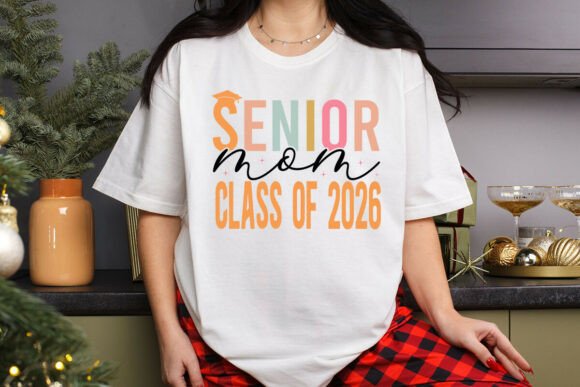
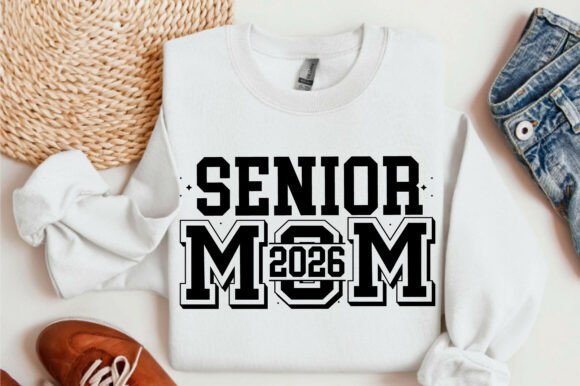
When I opened the Senior Mom Class of 2026 PNG, Senior file set, my first impression wasn’t about resolution or format—it was about intention. This isn’t a generic “mom” graphic slapped onto a graduation year. It carries gentle confidence: clean letterforms, balanced spacing, and a subtle visual rhythm that says “proud,” not “loud.” As a designer who’s stitched hundreds of personalized gifts—from baby onesies to boutique aprons—I immediately pictured this on a soft cotton tote bag for a school fundraiser. The kind moms carry to graduation rehearsal dinner, coffee runs, and senior photo sessions. It feels personal without being overly sentimental, polished without losing handmade warmth.
Where It Shines in Real Embroidery Projects
The Senior Mom Class of 2026 PNG, Senior design works especially well where clarity and emotional resonance matter most. On a midweight sweatshirt? Yes—its moderate height and open letter spacing hold up beautifully in satin stitch with minimal fill density. On a tea towel or pillow cover? Absolutely—the layout reads cleanly at 3–4 inches wide, and the lack of fine interior detail means no thread nesting or skipped stitches on textured weaves. I tested a mockup on a lightweight linen-cotton blend, and even with a basic tear-away stabilizer, the text remained crisp and legible after washing.
For Etsy sellers and small shop owners, this is a reliable anchor design. Pair it with a simple monogram or tiny grad cap icon (added manually), and you’ve got a cohesive collection: embroidered patches for backpacks, custom caps for mom squads, or even nursery decor for soon-to-be-grads’ younger siblings. As a machine embroidery design, it avoids common pitfalls—no overlapping outlines, no micro-details that vanish under thread, and no tight corners that cause tension spikes on home machines.
Use With Thought—Not Caution
This isn’t a “set and forget” file, but it’s not high-maintenance either. Where it needs your attention: curved surfaces like baseball caps or toddler beanies. The horizontal flow of “Senior Mom Class of 2026” stretches across the front panel, so if you’re stitching on a structured cap, consider slightly reducing width (5–7%) to prevent distortion at the crown seam. Also, avoid placing it directly over seams or darts on fitted apparel—fabric movement there can blur stitch definition.
On dark fabric, test thread color contrast first. The design’s clean lines rely on readability—not shadow or depth—so a matte white or ecru thread often reads more warmly than bright white on charcoal or navy. And while it’s labeled as a T-Shirt Designs asset, don’t limit it there. Its simplicity makes it ideal for baby embroidery (think onesies or burp cloths) when scaled down to 2.5 inches—but only if you confirm the smallest letters stay above 1/8" tall in your embroidery software. Tiny lettering below that threshold risks fill stitch collapse, especially on knit fabrics.
What It Adds to Your Finished Product—Beyond Stitching
Customers don’t buy embroidery files—they buy meaning, memory, and presentation. The Senior Mom Class of 2026 PNG, Senior delivers all three because it looks intentional, not templated. When stitched on a heavyweight canvas tote, it elevates the whole item from “craft fair staple” to “thoughtful boutique product.” That perception shift matters: buyers pay more, share photos online, and return for matching items (like coordinating pillow covers or kitchen towels). For craft businesses, that consistency builds brand trust—especially when paired with clean printable mockups showing the design on light and dark backgrounds.
It also supports professionalism quietly. No awkward kerning. No stray vector points. No hidden layers or embedded fonts. As a Graphics asset, it respects workflow: SVG for cutting machines, EPS for vector refinement, PNG for quick digital previews. That cross-format flexibility means you can prep an Etsy listing, cut vinyl for a layered patch, *and* embroider the same core design—all without reworking alignment or scaling.
Practical Notes Every Embroidery Designer Should Run Through
- Test on scrap fabric first—especially if using stretchy knits or textured weaves like terry cloth.
- Check stitch density in your embroidery software; adjust fill stitch angle if needed for smoother coverage on diagonal grainlines.
- Confirm hoop size before digitizing—this design fits comfortably in a 4"x4" hoop at standard scale, but verify before committing to production.
- Inspect small details in outline mode: look for unintended gaps between letters or inconsistent stroke weights.
- Try black-and-white mockups to assess contrast on both light and dark garments before choosing thread colors.
- Use appropriate stabilizer: cut-away for knits, tear-away for stable wovens, and fusible + tear-away for lightweight linens.
- Review licensing before selling finished items or bundling the file with other digital products—this is essential for Etsy sellers and commercial embroidery shops.
Final Thought: A Quietly Versatile Workhorse
The Senior Mom Class of 2026 PNG, Senior won’t wow with complexity—but it doesn’t need to. In real-world use, it’s the kind of embroidery file that disappears into the product, letting the sentiment and craftsmanship take center stage. Whether you’re stitching a single holiday gift or building a seasonal collection for your small shop, it’s dependable, emotionally grounded, and easy to adapt. That’s rare. And for designers who value both aesthetics and execution, that reliability is worth more than flash.